Mother’s Day is not just a high-traffic period. It is a high-intent buying window where customers already know they want to purchase something meaningful. This changes how products perform. During this time, buyers are not browsing randomly. They are actively searching for gifts that match a specific emotional purpose.
For sellers, this creates a different kind of opportunity. The focus shifts from trying to attract attention to choosing the right type of product that already fits existing demand. When the product aligns with what buyers are searching for, conversion becomes much easier compared to regular selling periods.
Products that carry a clear emotional message perform best
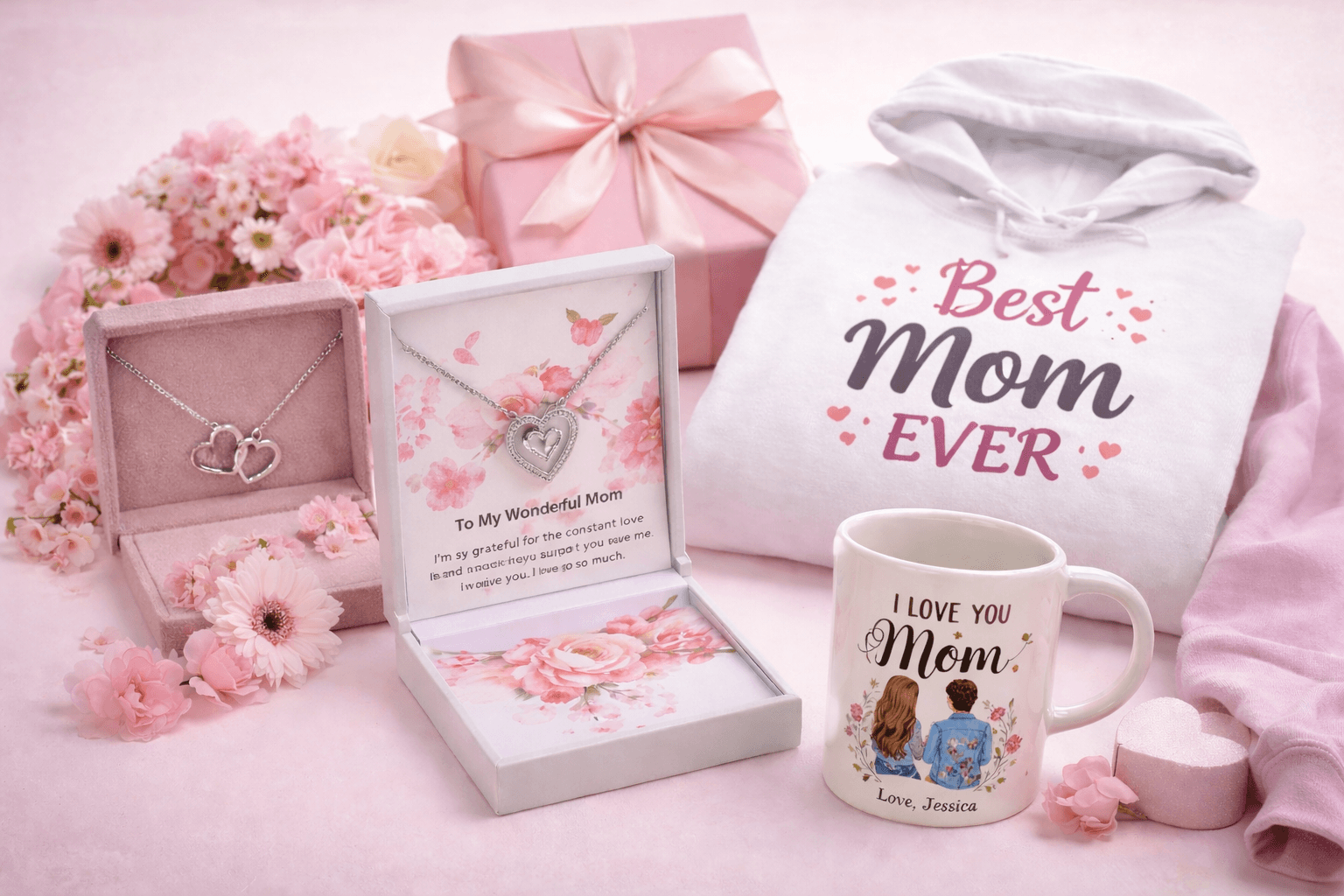
Across global markets, the most consistent pattern during Mother’s Day is that products with a clear emotional message outperform generic items. Buyers are not simply purchasing an object. They are trying to express appreciation, gratitude, or love in a tangible form. This is why message-based products tend to perform well. A necklace paired with a message card, a hoodie with a meaningful line, or a simple gift item with a clear emotional statement often converts better than visually complex designs without context.
The key factor is clarity. When the buyer instantly understands the meaning behind the product, the decision becomes easier. There is less hesitation because the product already matches their intent.
Jewelry and personal gift items consistently lead demand
In most global markets, jewelry remains one of the highest-performing categories during Mother’s Day. This is not because it is unique, but because it naturally fits the gifting context. It is small, personal, and easy to present as a meaningful gift.
Products such as necklaces with message cards, bracelets, or simple engraved items tend to perform consistently well. These products combine emotional value with physical simplicity, making them easy for buyers to choose.
The same applies to other personal gift items that feel intentional rather than generic. The more the product feels like it was chosen specifically for the occasion, the higher the likelihood of conversion.
Apparel works when the message is clear and relatable
Apparel is another category that performs well, but only when the message is strong. A plain t-shirt or hoodie without a clear purpose will struggle, even during high-demand periods. However, when apparel carries a message that directly connects with the buyer’s intention, it becomes more than just clothing. A hoodie with a simple appreciation message or a t-shirt designed for a mother figure can perform well because it communicates meaning clearly. The difference comes from positioning. Apparel that feels like a gift performs better than apparel that feels like a product. This distinction is important when selecting what to sell.
Simple products outperform complex ideas
One of the most common mistakes sellers make is trying to create something completely new or different. In reality, Mother’s Day buyers are not looking for innovation. They are looking for something that fits their need quickly and clearly.
Simple products often outperform complex ones because they are easier to understand. A clear message, a clean presentation, and a direct connection to the occasion are more important than adding extra features or design elements. This is especially important for beginners. Overcomplicating the product slows down execution and reduces clarity, both of which affect conversion.
Demand increases when the product matches a specific relationship
Another key pattern in global markets is that products perform better when they are tied to a specific relationship. Buyers are often searching for gifts based on who they are buying for. Examples include “gift for mom,” “gift for stepmom,” or “gift from daughter.” These variations may seem small, but they create stronger relevance for the buyer. When a product clearly matches a specific relationship, it feels more personal. This increases the likelihood of purchase because the buyer does not need to adjust the meaning in their mind.
High-performing products follow a clear structure
Across all categories, high-performing products usually follow a similar structure. They are not random. They are designed around how buyers think during gifting occasions.
A strong Mother’s Day product typically includes:
 A clear target (who the product is for)
- A specific occasion (Mother’s Day context)
- A simple emotional message
When these elements are aligned, the product becomes easier to understand and more likely to convert. Without this structure, even a good product can feel unclear.
Choosing the right product is what drives results
During Mother’s Day, success is not about listing more products. It is about choosing the right type of product that already matches demand. Sellers who focus on alignment tend to see better results than those who rely on random ideas.
The market is already active. Buyers are already searching. The only requirement is to present something that fits their intent clearly and immediately. This is why product selection plays such a critical role during this period. It determines whether your effort leads to results or gets lost in competition.
Start building your Mother’s Day product lineup with Rabfy and focus on products that already match what global buyers are searching for.